Birthplace
Story by Simone Vaugel, artwork by Martine Vaugel


Click below, Introduction by Amy Friedman, Music by Roland Tec
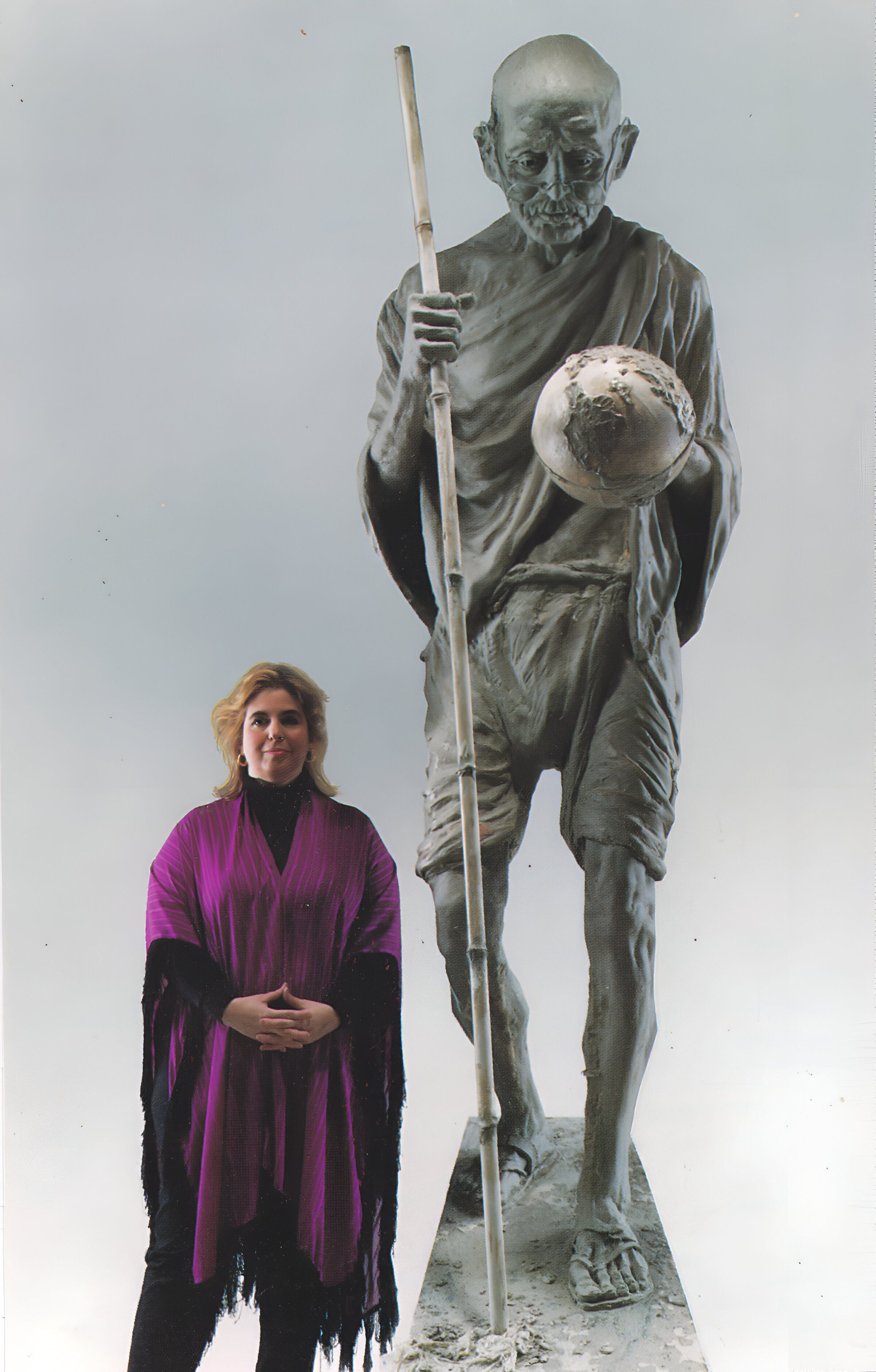
My work was part of the life my mother and I shared, and my mother, Simone Vaugel, was a vital part of my evolution as a woman and a sculptor. I am her creation, and this is an extension of our work together.
Martine Vaugel, an internationally acclaimed sculptor, is the winner of two awards in the International Rodin Grand Prize Monumental Figure Competition. Her work can be found in Japan’s Open Air Museums, The Martin Luther King Jr. Memorial, The Los Angeles Museum of Contemporary Art, The New Tate Modern and numerous collections, among them Rockefeller, UCLA, John Hopkins University, and five American presidents. Awarded three medals at the Grand Palais in Paris, Martine received First Prize in the Versaille Biennal d’arte Contemporaire in 2017 and was nominated International Woman of the Year 2000, IBC- Cambridge, England.
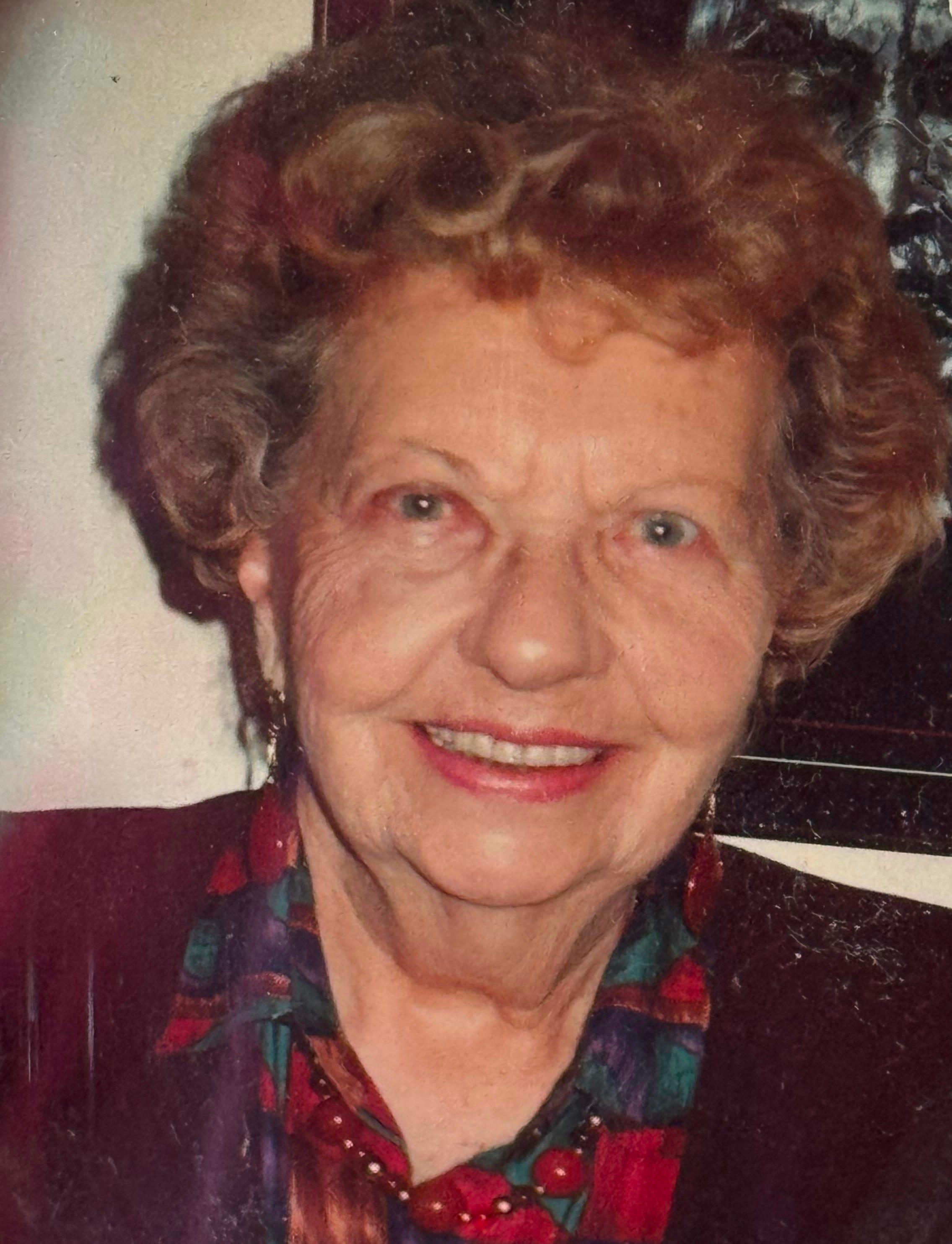
Simone Leah Georgette Jehan Vaugel was born on June 20, 1919 in Drue, Normandy, France to simple people who worked tirelessly to put food on their table. Simone was smart, beautiful, vivacious, and volatile. During World War II, she fell in love with and married Ernest Vaugel, and they came to the United States. They had three daughters who say their mother ran the house and their father without making that obvious. Their mother was a talented and highly respected designer who ran the hat department at Saks Fifth Avenue and became one of the top 10 % of women wage earners. Simone was always proud of being American and passed that feeling onto her daughters. Just 48 when her husband died, Simone lived 40 more years. Their mother’s strengths, the daughters say, gave them the belief that women need not limit their expectations of life because of gender. When Martine moved to France, Simone’s memories of Hitler made it difficult for her to visit, but it is thanks to Simone’s surviving daughters, Martine and Monique, that All-American Story can share this story, originally published before Simone passed away.
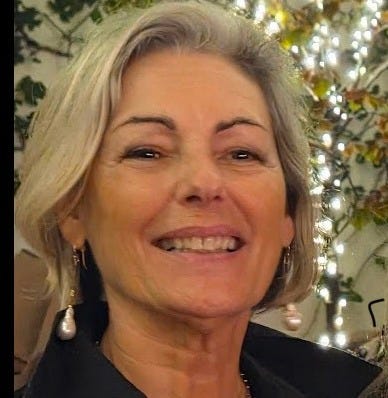
Marie Lehman, AKA Dr. Marie Matheson, was born and raised in France. At 21, with a business diploma from Paris, Marie moved to work for a company based in Los Angeles. She later received a doctorate in psychology from the University of Southern California, and along with establishing her private psychotherapy practice, she followed her passion for architecture, developing several buildings and doing residential interior design. After the 2017 Malibu fire, Marie also began to paint with watercolor and acrylic; several of her works have been curated by the city of Malibu. Like Simone, Marie married a Jewish man, and their son is pursuing graduate studies in medical research. Marie returns to France every year to visit her extended family and still feels the perfect Franco-American balance.
To hear Marie Lehman reading Simone Vaugel’s Birthplace, click below.
Birthplace by Simone Vaugel
No one is capable of understanding, unless she or he has experienced the loss of their country of birth.
Until I was twenty-two years old, I lived in France. I did not know any foreigners. The people who came to France, running from Hitler, huddled together, seldom mixing with the French. I did not understand them; at the time I thought that they should be happy to be in France.
The French do not expatriate; they are chauvinistic in their character. They have one or two children. Actually, the government encouraged them to have children by giving the father a bonus for each child born. My father did not care if you were Jewish, Protestant, Catholic or Presbyterian, and so on, as long as you were not a foreigner. Patriotism was drilled into you from the minute you were born, in church and in the family. The acquaintances and friends were received in restaurants; you went on vacations with them, but the home was just for the family.
I was raised in that element when I met a foreign man, a Jew. I fell deeply in love, and we were to be married. He would not marry me in France in 1940; he was afraid I would be hunted as a Jew, being married to one. He decided to come to America. We did, finally, and we were married and together in New York.
The first thing that happened to us was that my husband was taken into the American army to fight in the war. Alone with a small child three months old, I was working by designing. You could say that I was privileged, yes definitely, but I did not speak English. I felt alone with no family. In France, I used to sing; I was happy. Here, I felt not wanted. On the telephone, people said, “I do not understand you. Call me when you speak English.” No one to speak to from Friday evening until Monday morning, just my baby, the school I went to for English lessons, and the radio. I could not get acquainted with anyone who did not speak French. It was a trying time.
It took me five years to acclimate myself to the life in America. The moment you start to understand the humor of a language, you are in possession of that language.


I was young enough when I came here, but I never lost the craving for France. I have returned many times to see my family, but I do not fit in with them anymore. I am an American, but sometimes I feel I am a nobody.
I now speak French with a slight American accent (after 50 years here) and speak English with a French accent. In Italy one day, I was asking a policeman, in my best Italian, for the way to a hotel. He answered me in French.
What am I? I know how the refugees from Vietnam and Korea feel. It is devastating, even if you have a good life here. You lose your identity. I still shake when I hear The Marseillaise, and when I see photos of Paris. I do not understand the French sense of humor now—I have changed so much—and our ways of thinking are miles apart. This is the reason I feel like a misfit.
But do not get me wrong. I am a very good American citizen, and would fight and die for my country, America. But, inside of me, the loss of a country still exists.
Originally published in Insights, Rockland Community College Prose and Poetry, published annually.
 |
|